One day to get your engineers running crews of agents
- 1 day
- Remote or on-site
- Up to 10 engineers
- $12,000
224,455,014,305
tokens since July 1, one person
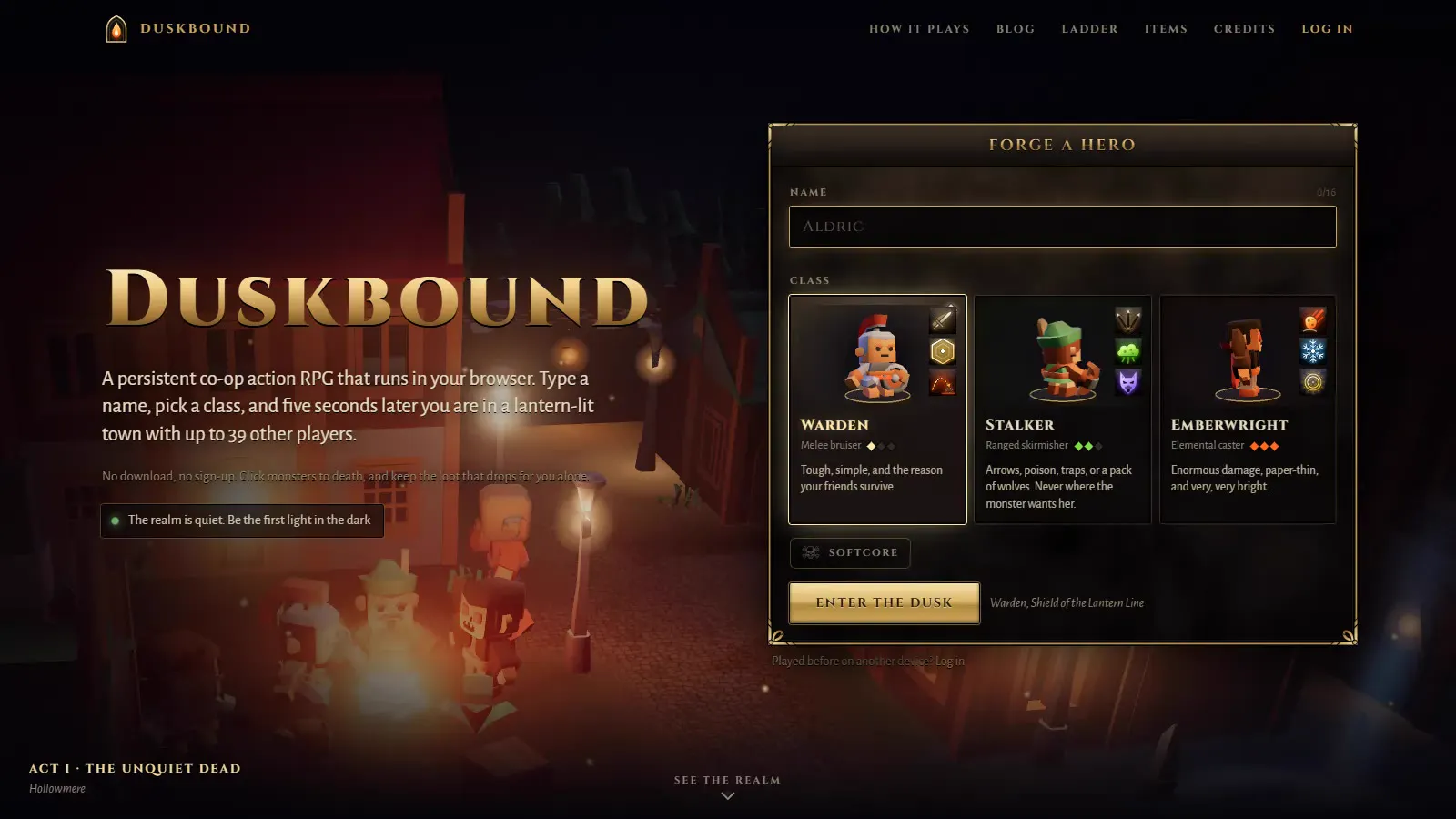
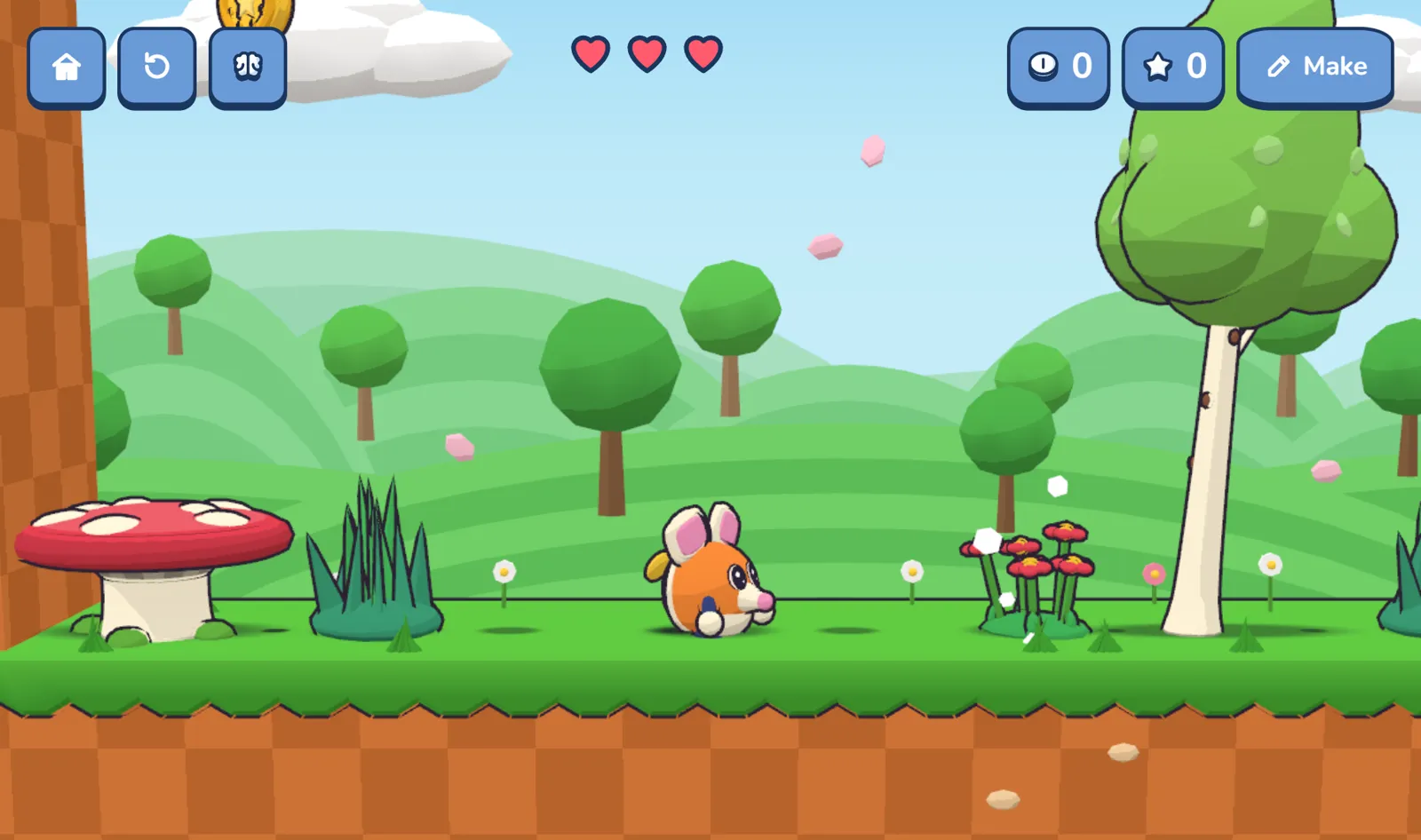
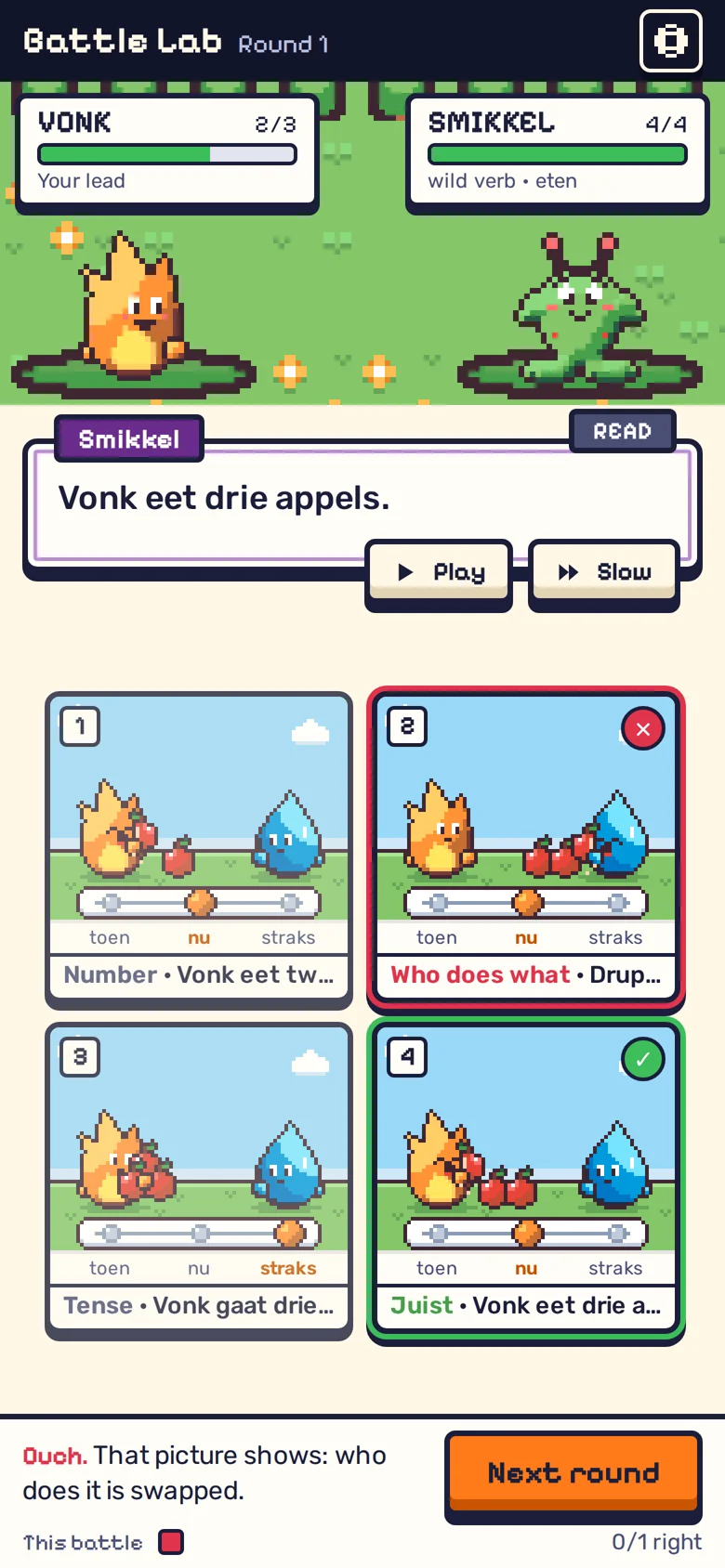
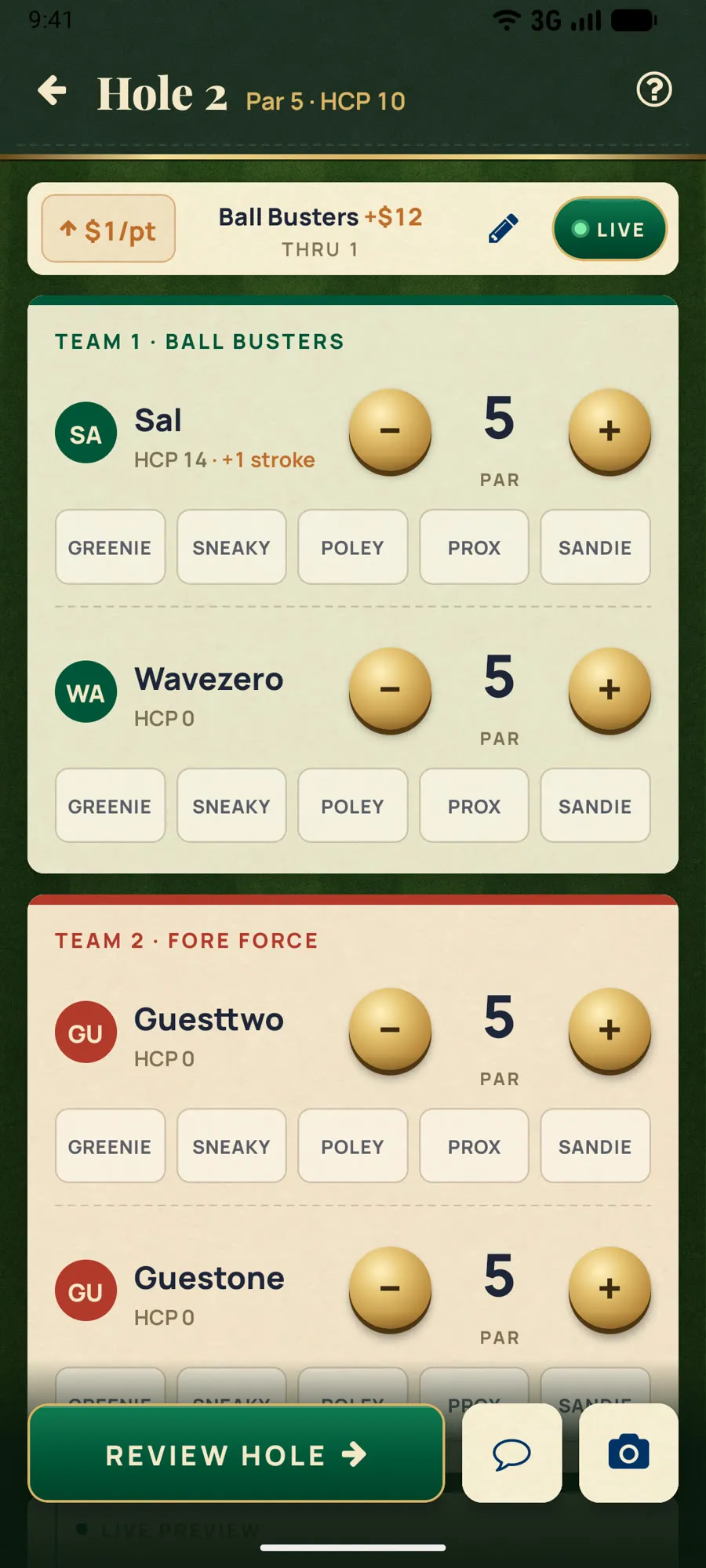
One engineer, 145 days
- Projects
- 182
- Commits
- 11,488
- Subagents
- 7,740
- Days with agents running
- 142 of 145
- Usage at API list price
- $95,755
- What I paid
- $200 a month




At Clever Benefits, where I’m CTO
- 34 repos
- across 11 lines of business, each with a map agents read first
- 74 of 74
- planted bugs caught by the test harness before a person reviews
- 581 subagents
- run on Clever’s code in five weeks, a lead and its crew at a time
What your team leaves with
- 01
Your repos, mapped for agents
A living map of each codebase, its decisions and its UI rules, written so every agent reads it before it touches a file. It stays current because the agents keep it current.
- 02
Guardrails that hold
The hooks and rules that stop an agent doing what you would never let a new hire do: no pushes, no destructive git, no skipped checks, no secrets in chat.
- 03
A test gate agents can’t talk past
Types, rules, API and browser flows on a clean copy of every commit, with planted bugs to prove each check can actually fail.
- 04
Real tickets, shipped by crews
Pairs pick tickets from your backlog. A lead agent splits each one, agents build it in parallel, and your engineers review the PRs like any others.
- 05
Scoping in agent-hours
How big a job is for agents, measured from real runs, so your team knows what to hand off and what to keep.
- 06
Everything stays yours
Every skill, hook, template and brief stays in your repos. Then 30 days in a shared channel with me and office hours at two and four weeks.
How it runs
Before
- Intake
- A short call: your stack, your backlog, who is in the room
- Pre-flight
- The map, the guardrails and the test gate go into one of your repos
- Setup
- Every laptop checked against a short list, so the day starts on code
The day
- Morning
- How I run a crew: a lead, five agents, live on a real project
- Late morning
- Your repo’s map, guardrails and gate, walked through together
- Afternoon
- Pairs run crews on real tickets from your backlog
- End of day
- Review, merge, and what goes to agents next
After
- 30 days
- A shared channel with me for questions and hard PRs
- Weeks 2 and 4
- An hour of office hours with the whole team
- Day 30
- Your numbers: merged PRs, gate pass rate, review time
One price
$12,000
Founding teams pay $7,500 in return for a case study, your day-30 numbers, a quote and one intro to a peer.
- Founding spots
- 3 of 3 left
- Engineers
- Up to 10, plus their lead
- On-site
- $15,000, US travel included
- To book
- 50% deposit
- After
- Crew Hours, $2,500 a month
- Your repos, mapped for agents
- Guardrails that hold
- A test gate agents can’t talk past
- Real tickets, shipped by crews
- Scoping in agent-hours
- Everything stays yours
- No merged crew-built PR by the end of the day, no balance to pay
Two teams a month
- Founding price
- 3 of 3 spots left
- Next open
- Tue Dec 8
December 2026
January 2027
February 2027
March 2027
April 2027
Questions
What does my team need?
Claude Code and a Claude plan for everyone in the room (Max, Team or Enterprise, or API access through Anthropic, Bedrock or Vertex), and one repo we can work in. The pre-flight covers the rest.
What will the tokens cost?
Anthropic puts the average at $150–250 per developer a month. Crews burn more than one agent, so the day covers the routing that keeps it sane: Sonnet builds, Opus leads, and agent-hours to decide what is worth a crew.
Is our code safe?
Everything runs in your accounts, on your plan, on your machines. On commercial plans Anthropic doesn’t train on your code. Agents never push on their own, and the guardrails block secrets and destructive commands. I sign your NDA before we start.
Our codebase is old and strange
So is everyone’s. I run this on Clever Benefits’ 34 repos across 11 lines of business. The pre-flight builds the map of yours before the day, so agents start out knowing where things are.
Remote or on-site?
Remote by default, cameras on. On-site anywhere in the US is $15,000, travel included.
How many engineers?
Up to 10 plus their lead. A bigger team books two days.
What happens after I hold a date?
It is held for you for seven days. Within a day I email you a link for a 20-minute call, the deposit invoice, a one-page scope and a W-9. A 50% deposit by card or ACH books the date; the rest is due on the day, net 15.
What if we need to cancel?
More than 30 days out, you get the deposit back. Inside 30 days, it moves to a new date within six months.
What if it doesn’t work for us?
If your team hasn’t merged a crew-built pull request that passes your checks by the end of the day, you don’t pay the balance.
Why only two a month?
I’m CTO and an owner of Clever Benefits. Two days a month is what I can give without shortchanging either.
What about after the 30 days?
Crew Hours, if you want it: $2,500 a month, month to month. Two live sessions with the team plus review of your docs, hooks and hardest PRs.
Who runs it
I’m Sal. I’ve been building software for over twenty years, founded a few companies, and I’m CTO and an owner of Clever Benefits. I speak at conferences about how engineering teams work.
Since July I’ve built everything on slop.dested.com with crews of agents, and written the testing standard they work to. The workshop is that system, installed on your code.
- Building software
- 20+ years
- CTO and an owner
- Clever Benefits
- Built with agents since July
- 182 projects